
Jan
29
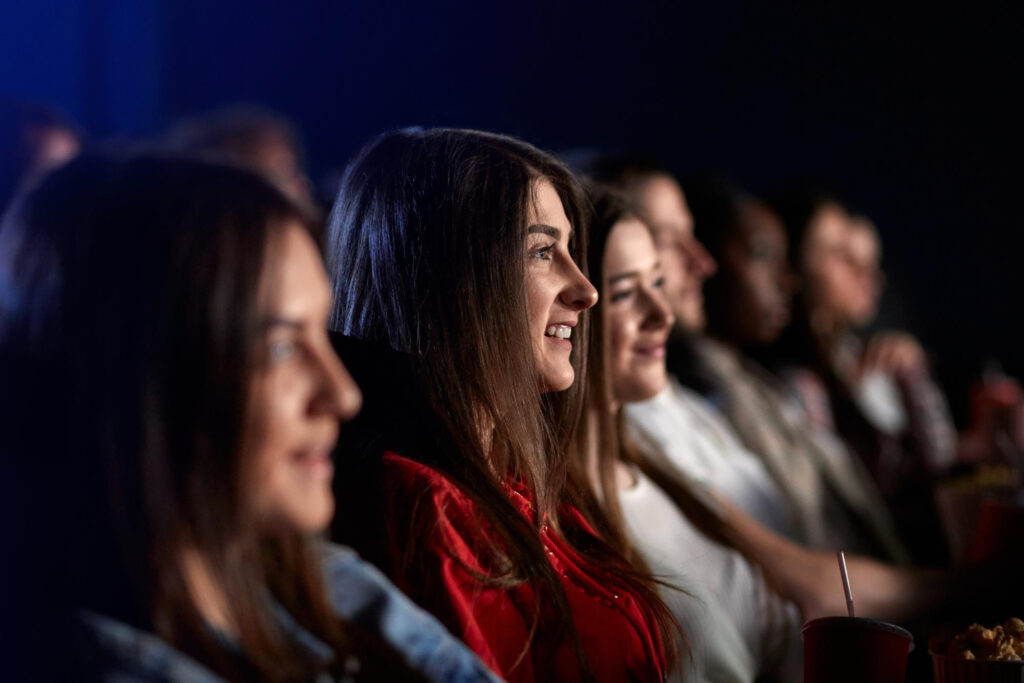
Being part of a live audience show is an experience that looks effortless on screen but requires more preparation and structure behind the scenes than most people realize. Live audiences play a key role in shaping a show’s energy, pacing, and overall atmosphere. Their reactions influence performers, hosts, and even production decisions in real time. From talk shows and game shows to live music recordings and televised events, audience members are not just spectators. They are active contributors to the broadcast. Understanding what it takes to be part of a live audience helps set expectations and explains why the experience feels both exciting and carefully managed.
Registration, Screening, and Entry Procedures
 Most live audience shows require advance registration rather than walk-in attendance. Producers often use ticketing systems to manage crowd size and ensure a balanced audience. Some shows include screening questions to match audience demographics with the program’s tone or target viewers. On the day of the show, attendees usually arrive early for check-in, security screening, and seating assignments. Identification checks and item restrictions are common to maintain safety and minimize disruptions. These steps help productions run smoothly and ensure that the audience fits both logistical and creative needs.
Time Commitment and Scheduling Flexibility
Being part of a live audience requires more time than the final broadcast suggests. Recording sessions may last several hours, even if the content that airs is much shorter. Delays, retakes, and technical adjustments are normal parts of live production. Audience members are expected to remain present and attentive throughout the process. This time commitment requires planning and flexibility with schedules. While waiting periods can occur, they are balanced by the excitement of witnessing production moments that viewers at home never see.
Audience Conduct and Participation Expectations

Live audiences are guided on how to behave during the show. Audience coordinators often provide instructions on when to clap, react, or remain quiet. This guidance helps maintain consistent sound levels and supports the show’s pacing. Participation may include cheering, responding to hosts, or engaging with interactive segments. Respectful behavior is essential, as disruptions can affect recording quality. While reactions should feel natural, they are also shaped to support the broadcast’s overall flow. Audience members who follow these expectations contribute to a more polished final production.
Dress Codes and Visual Considerations
 What audience members wear can matter more than you might expect. Some shows request specific clothing styles or colors to avoid visual distractions on camera. Logos, patterns, or reflective materials may be discouraged. Dress guidelines help maintain a cohesive visual aesthetic and prevent technical issues with lighting or cameras. Comfortable clothing is also important due to long sitting periods. By following dress recommendations, audience members help ensure that the focus remains on the performers rather than on unintended visual elements.
Being part of a live audience show involves more than simply watching a performance. It requires preparation, patience, and active participation within a structured environment. From registration and time commitment to conduct and appearance, audience members play a meaningful role in shaping the live production experience. While the process is carefully managed, the reward is a unique behind-the-scenes perspective and the energy of being part of something happening in real time. Understanding what it takes allows attendees to fully enjoy the experience and contribute positively to the show’s success.…
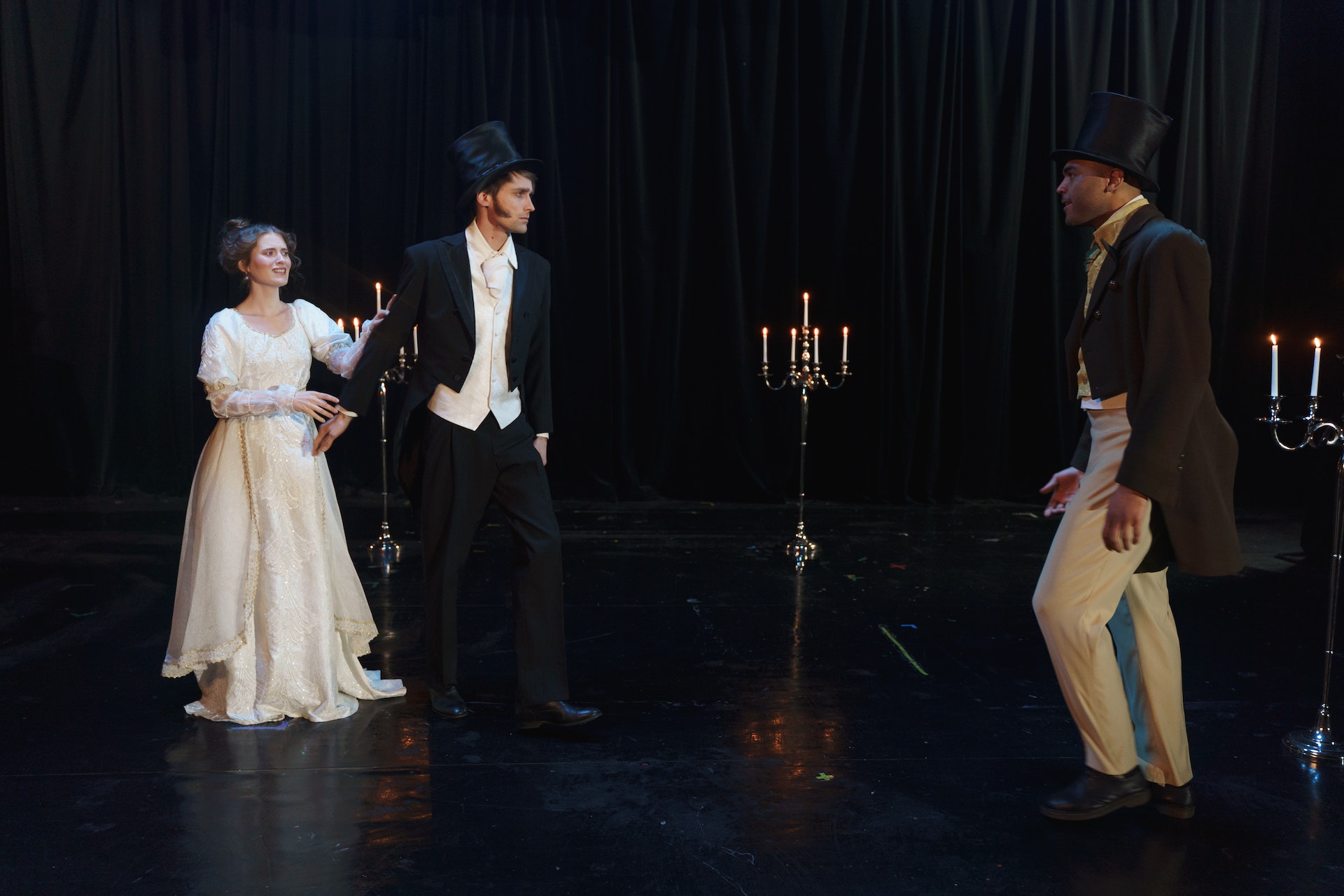
 Broadway shows are known for their stunning visuals and special effects that leave the audience in awe. The visual aspects of production can truly enhance the overall experience, making it all the more memorable. From elaborate costumes to intricate set designs, Broadway productions have always been at the forefront when it comes to showcasing breathtaking visuals. These visuals help transport audiences into another world altogether, allowing them to escape reality for a few hours and immerse themselves in an entirely different universe.